
Complete Guide to Immersion Water Heaters and Heating Systems
November 29, 2025Water immersion heaters are handy devices for heating up liquids fast. Whether you need one for your home, for trips, or for bigger jobs, picking the right one means looking at things like power, what it's made of, and safety. This guide will walk you through what you need to know before you buy an immersion water heater that works for you.
Key Takeaways
-
An Immersion Water Heater works by placing a heating element directly into the water, making it efficient.
-
There are different types, like electric, oil, and industrial models, each suited for specific jobs.
-
When choosing, think about the heater's power (wattage), what it's made from (like stainless steel), and its safety features.
-
Thermostats are important for controlling temperature and preventing overheating, adding a layer of safety.
-
Proper installation and regular checks can help your Immersion Water Heater last longer and work better.
Understanding Different Types of Immersion Water Heaters
When you're looking into heating water, immersion heaters pop up a lot. They're pretty straightforward, really. Basically, you stick a heating element right into the water, and it warms it up. This direct contact means less heat gets wasted compared to other methods, making them quite efficient. There are a few main kinds you'll run into, each good for different jobs.
Electric Immersion Water Heater
These are probably the most common ones you'll see for home use. Think of them like a super-powered version of what's inside your electric kettle. They have a metal rod with a heating coil inside, and you just pop that into your water tank. They're a popular choice because they're relatively simple to install and use. Many are designed to be corrosion-resistant, so they last a good while. You can find them in different wattages, which just means how fast they can heat up your water. For a quick hot water boost in a tank, these are usually the go-to.
Oil Immersion Heater
While we're talking about water heaters, it's worth mentioning that immersion heaters aren't just for water. You can get specialized ones for oil, too. These work on the same principle – a submerged heating element – but they're built to handle the properties of oil. This might be for keeping oil at a specific temperature for industrial processes or even for things like heating cooking oil. The key is that the heating element is designed to be compatible with the oil and the temperatures involved.
Industrial Immersion Water Heater
Now, when you need to heat a lot of liquid, or heat it very precisely for a business, you're looking at industrial models. These are built tough. An Industrial Immersion Water Heater is designed for heavy-duty use, often heating large tanks of water, chemicals, or oils. They come in various forms, like screw-plug types that thread into a tank opening, flanged types that bolt onto a fitting, or over-the-side types that hang into the tank. These are the workhorses you'll find in factories, processing plants, and large commercial buildings. They need to be reliable and handle demanding conditions, often with more advanced controls for temperature accuracy. You can find a good selection of these at places that specialize in industrial heating equipment.
The main advantage of any immersion heater is how directly it heats the substance. Because the heat source is right there in the liquid, almost all the energy goes into warming it up. This makes them much more efficient than heaters that warm the container from the outside or heat air that then heats the liquid.
How an Immersion Heater System Works
An immersion heater system is pretty straightforward, really. Think of it like a kettle, but for a much bigger job. The main idea is to put a heating element directly into the liquid you want to warm up, whether that's water in your home or something else entirely in a factory.
Key Components of an Immersion Heater System
At its core, an immersion heater system has a few main parts:
-
Heating Element: This is usually a metal coil or rod. When electricity flows through it, it gets hot. It's typically made of durable materials like stainless steel or copper to handle the heat and resist corrosion.
-
Sheath/Tube: The heating element is enclosed in a protective metal tube. This keeps the element safe from the liquid and also helps transfer the heat efficiently.
-
Thermostat: This is the brain of the operation. It monitors the liquid's temperature and tells the heating element when to turn on and off to keep things at the right level. This is super important for saving energy and preventing overheating.
-
Power Cord and Controls: This is how you connect the heater to electricity and how you might adjust settings.
For something like an Oil Immersion Heater, the principles are the same, but the materials might be chosen to handle higher temperatures or specific types of oil.
Benefits of Using Immersion Water Heaters
So, why pick an immersion heater system? Well, there are some good reasons:
-
Efficiency: Because the heat goes directly into the liquid, not much is wasted. It's a much more direct way to heat things up compared to other methods.
-
Speed: They can heat liquids pretty quickly, which is handy when you need hot water fast.
-
Simplicity: The design is pretty basic, which often means they're reliable and easier to fix if something goes wrong.
-
Versatility: You can use them for all sorts of things, from heating water in your home to keeping industrial fluids at a specific temperature.
The direct contact between the heating element and the fluid means heat transfer is really good. This simple setup is why they're found in so many different places, from small tanks to big industrial vats.
An Immersion Heater System, especially when you look at options like an Oil Immersion Heater, offers a practical way to manage liquid temperatures without a lot of fuss. It's a workhorse for heating.
Choosing an Immersion Water Heater With Thermostat
So, you're looking to buy an immersion water heater, and you've noticed that a lot of them come with a thermostat. That's a good thing, really. Having a thermostat means you can set the exact temperature you want your water to reach, and the heater will do its best to keep it there. No more guessing if the water is too hot or too cold.
Why Temperature Control Matters
Temperature control is more than just a convenience; it's about safety and efficiency. If you're heating water for a bath, you don't want it scalding hot, right? A thermostat lets you dial it in. For other uses, like in a workshop, precise temperatures might be needed for specific tasks. Plus, when the heater knows when to stop, it doesn't waste electricity by heating the water more than necessary. It's a simple feature, but it makes a big difference in how you use the heater.
Safety Features to Look For
When you're picking out an Immersion Water Heater With Thermostat, safety should be high on your list. Here are a few things to keep an eye out for:
-
Automatic Shut-Off: This is a big one. It means the heater will turn itself off once it hits your set temperature. Some models even have a "dry burn" protection, which is super important. It stops the heater from running if it's not fully submerged in water, preventing damage to the unit and potential hazards.
-
Overheat Protection: Similar to auto shut-off, this is a backup to prevent the heater from getting too hot, even if the thermostat malfunctions.
-
Water Level Sensor: Some heaters have a sensor that checks if there's enough water. If not, it won't turn on. This is another layer of protection against dry running.
-
Durable Materials: Look for heaters made from sturdy stuff like stainless steel or nickel-plated components. These resist rust and corrosion, meaning your heater will last longer and stay safer.
Picking the right immersion heater isn't just about power; it's about smart features that keep you safe and save energy. A good thermostat and solid safety mechanisms are key to a reliable heating experience.
When you're comparing different models, think about what you'll be using it for most. If it's for occasional use in a bucket, a more portable unit might be best. For more regular use, you might want something a bit more robust. Checking the wattage is also important; higher wattage usually means faster heating, which can be a real time-saver. You can find some good options for various heating needs.
Here's a quick look at some common safety features:
|
Feature |
What it Does |
|---|---|
|
Automatic Shut-Off |
Stops heating at the set temperature. |
|
Dry Burn Protection |
Prevents operation without sufficient water. |
|
Overheat Protection |
Backup safety against excessive heat. |
|
Water Level Sensor |
Ensures enough water is present before heating. |
|
Shockproof Design |
Protects against electrical hazards. |
Electric Immersion Heater vs Other Heating Options
When you're looking at ways to heat water, especially with an Electric Immersion Heater, it's good to know how it stacks up against other methods. Electric heaters, particularly immersion types, offer a direct and often quick way to get hot water. They work by having a heating element submerged right into the water, which means less heat escapes into the surrounding air compared to some other systems. This direct contact is a big part of their efficiency.
Let's break down how an electric immersion heater compares:
Energy Efficiency
Immersion heaters are pretty good at getting the heat right where you need it. Because the heating element is directly in the water, almost all the energy goes into heating that water. This is different from, say, a furnace that heats air and then distributes it, which has more steps where heat can be lost. For a household needing hot water, an Electric Heater can be quite efficient for its specific job.
-
Direct Heating: The element is submerged, minimizing heat loss.
-
Targeted Use: Heats only the water in the tank or cylinder.
-
Potential Drawbacks: If the tank isn't well-insulated, heat can still escape over time.
Cost & Lifespan Comparison
When you think about the upfront cost and how long something will last, electric immersion heaters are often a solid choice. They tend to be less expensive to buy and install than complex systems like boilers or heat pumps. Plus, their simple design means fewer parts to break down.
|
Heating Type |
Initial Cost |
Lifespan (Years) |
Typical Running Cost (per hour) |
Notes |
|---|---|---|---|---|
|
Electric Immersion Heater |
Low |
10-15 |
$0.50 - $0.75 |
Varies greatly with electricity rates |
|
Gas Boiler |
Medium-High |
15-20 |
Lower than electric (if gas is cheap) |
Requires gas line, regular maintenance |
|
Heat Pump |
High |
15-20 |
Low (uses ambient air/ground heat) |
Best in moderate climates, needs space |
While electricity can sometimes be more expensive per unit of energy than natural gas, the direct heating method of an electric immersion water heater can make it competitive, especially for smaller, on-demand heating needs. The key is often how much you use it and the local energy prices.
Alternatives like solar water heating can be a great green option, especially if you have a suitable roof setup. These systems use the sun's energy, which is free, though the initial setup can be costly. For off-grid living or specific needs, exploring various off-grid water heaters might be necessary, but for most standard homes, the electric immersion heater remains a practical and budget-friendly solution for many hot water requirements.
Installation & Maintenance Tips
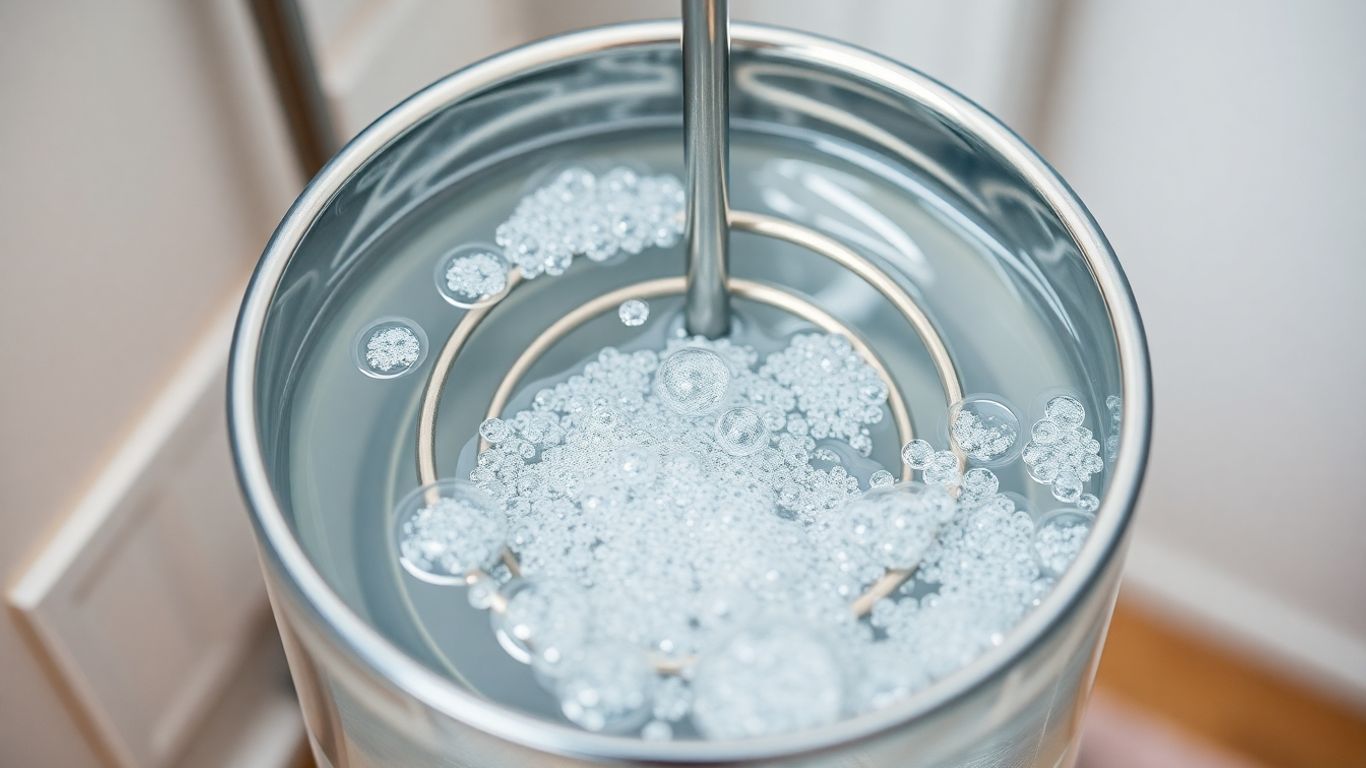
Getting your immersion heater set up and keeping it running smoothly is pretty important. It's not rocket science, but a few key steps can make a big difference in how long it lasts and how well it works. Let's break it down.
How to Extend Heater Life
To get the most out of your immersion heater, think about these things:
-
Proper Submersion: Always make sure the heating element is completely underwater before you even think about plugging it in. Running it dry is a fast way to ruin it.
-
Regular Cleaning: Mineral buildup can happen, especially if you have hard water. Periodically inspect the heating element and gently clean off any scale. This helps it heat more efficiently and prevents damage.
-
Correct Wattage: Using a heater with the right wattage for your tank size is key. Too little, and it'll struggle; too much, and you might be wasting energy or even stressing the system.
-
Secure Installation: For permanent setups, make sure the heater is firmly attached according to the manufacturer's directions. A wobbly heater isn't just annoying, it can lead to problems.
Common Problems & Quick Fixes
Sometimes, things don't go perfectly. Here are a few common hiccups and how to deal with them:
-
Not Heating: First, check if it's plugged in and if the circuit breaker hasn't tripped. If it's a portable unit, double-check that the element is fully submerged. For wired-in units, you might need to check the thermostat settings or call a professional.
-
Leaking: If you notice water around the connection point, it might just need tightening. If the leak is from the element itself, that's usually a sign the heater needs replacing.
-
Strange Noises: Sometimes, you might hear a ticking or popping sound. This is often just small air bubbles escaping the heating element as it heats up, and it's usually normal. However, if the noise is loud or persistent, it's worth investigating.
When you're installing any kind of heating system, especially one that involves water and electricity, safety is the number one priority. Always follow the manufacturer's instructions to the letter. If you're unsure about any part of the process, it's always better to get a qualified technician to handle it. Trying to cut corners here can lead to serious issues down the line, not to mention potential safety hazards. For more detailed information on tank systems, you might find a supplementary guide helpful.
Remember, a little bit of care goes a long way in keeping your immersion heater working efficiently and safely for years to come.
Why Customers Trust Bucan for All Their Heating Needs
At Bucan, we understand that reliable heating is more than just convenience — it’s about comfort, safety, and peace of mind. Our products are crafted to deliver superior performance, whether you’re looking for home solutions or industrial-grade systems. Visit Bucan.com today and experience why countless customers trust us for all their heating needs.
Frequently Asked Questions
What exactly is an immersion water heater?
Think of an immersion heater like a special kind of heating element that you dip right into the water. It uses electricity to get hot and then transfers that heat directly to the water around it, warming it up super fast. It's a simple but really effective way to heat water for many different uses.
How does an immersion heater system actually work?
It's pretty straightforward! An electrical current flows through a metal coil inside the heater. This coil resists the electricity, which makes it get really hot. When the coil is sitting in the water, all that heat goes straight into the water, warming it up. Many have a thermostat to keep the water at just the right temperature without getting too hot.
Are immersion heaters a good choice for saving energy?
Yes, they can be! Because the heating part is directly in the water, not much heat gets wasted. This makes them more efficient than some other ways of heating water, especially if you only need to heat a specific amount. Using a thermostat also helps save energy by not heating the water more than needed.
What are the main safety features I should look for?
Safety first! Look for heaters with an 'auto shut-off' feature that turns the heater off when the water reaches the right temperature. 'Overheat protection' is also important to stop it from getting too hot. Some even have a sensor to make sure it doesn't turn on if there isn't enough water, preventing damage and potential problems.
Can I just leave an immersion heater running all the time?
It's best not to leave it completely unattended for long periods. While many have safety features, it's always a good idea to keep an eye on it when it's in use, especially with portable models. Always unplug it before taking it out of the water.
What's the difference between a portable and a home immersion heater?
Portable ones are small and light, perfect for taking with you when you travel or for heating small amounts of water quickly, like in a mug. Home or industrial ones are usually bigger and more powerful, designed for heating larger volumes of water in buckets, tanks, or even bathtubs for longer periods.

0 Comments